What Is Editorial Photography and When Should Businesses Use It?
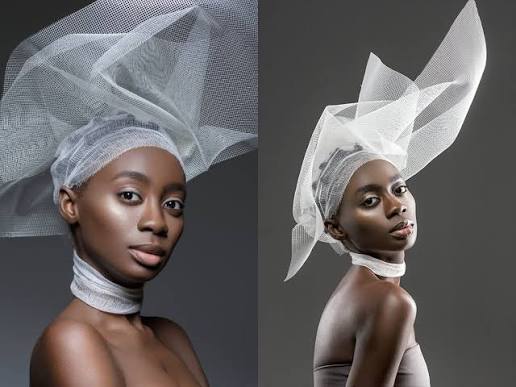
Editorial photography is a style of photography designed to communicate a story, idea, mood or point of view through carefully considered images. Rather than simply showing what a business sells, editorial images aim to show the people, environment and personality behind the business.
For businesses, this approach can make visual content feel more natural and engaging. Instead of relying only on posed headshots or straightforward product images, an editorial shoot can capture a business in a way that reflects its identity.
Editorial photography can be particularly useful for businesses that want their images to feel authentic and connected to their brand. The photographs may show people working, interacting with customers, creating products or using a particular space.
This does not mean that every image needs to look dramatic or artistic. The goal is to create photographs with purpose. Each image should help communicate something about the business and the people it serves.
How Is Editorial Photography Different From Commercial Photography?
Editorial and commercial photography can overlap, but they usually have different purposes.
Commercial photography often focuses on promoting a specific product, service or business. The images may be created for advertising campaigns, websites, brochures, catalogues or other marketing materials.
Editorial photography, on the other hand, tends to place greater emphasis on storytelling. The images can communicate atmosphere, culture and personality rather than focusing entirely on a product or service.
However, businesses do not necessarily need to choose one approach over the other. Editorial images can work alongside traditional commercial photography to create a more complete visual library.
For example, a restaurant might use commercial images to showcase individual dishes while using editorial images to capture the chef preparing food, the team working together and customers enjoying the space.
This combination gives potential customers more context. They can see not only what the business offers but also what the experience may feel like.
The Role of Storytelling in Business Photography
Photography can communicate information quickly. A carefully created image can show a company's environment, personality and values without relying on a large amount of written content.
This is one reason storytelling has become increasingly important in business photography.
Consider a professional services business. A collection of standard portraits may introduce the team, but editorial-style photographs could show employees collaborating, meeting clients or working within their office.
These photographs provide additional context. They can help a website visitor understand how the business operates and who they might be working with.
The same principle applies across different industries. A manufacturer might show its production process. A retailer could photograph staff preparing a store. A builder might capture the people and processes involved in a project.
The subject changes, but the purpose remains similar: create images that communicate a genuine story.
When Should Businesses Use Editorial Photography?
Editorial photography can be useful at several stages of a business's marketing activity. It is particularly valuable when a company needs fresh visual content that goes beyond basic product or staff photographs.
Website and Content Marketing
A website is often one of the first places potential customers encounter a business. Stock photography can fill visual gaps, but original photography can create a stronger connection with the brand.
Editorial-style images can be used across homepages, about pages, service pages and blog content.
They can also provide consistency across different areas of a website. When photographs share a similar visual approach, the brand can feel more considered and cohesive.
For businesses investing in content marketing, having a library of original images can also make publishing easier. New photographs can be used across articles, newsletters and social media rather than relying on the same small selection of images repeatedly.
Social Media Marketing
Social platforms are highly visual, which means businesses often need a steady supply of relevant images.
Editorial photography can provide a range of photographs from one shoot. Instead of capturing only formal portraits, a photographer can photograph different activities, locations, interactions and details.
For example, a professional shoot might produce images of the team, workplace, tools, products and behind-the-scenes moments.
This variety gives businesses more options when creating social content.
Editorial Photography for Branding
Branding photography focuses on creating images that reflect how a business wants to be seen. Editorial photography can be an effective part of this process because it allows the photographer to capture more than a simple visual representation of the company.
A strong branding shoot begins with understanding the business.
What does the brand stand for? Who are its customers? What makes the business different? What kind of feeling should the images create?
These questions can influence the locations, styling, lighting, composition and subjects selected for the shoot.
For instance, a creative studio may want energetic images that show collaboration and experimentation. A professional consultancy may prefer a more refined visual style while still showing genuine interactions between its team members.
The photographs should support the brand rather than overpower it.
What Can an Editorial-Style Business Shoot Include?
There is no single formula for an editorial photography session. The content should reflect the business, its people and the intended use of the photographs.
A shoot might include environmental portraits, workplace interactions, product details, behind-the-scenes activities and candid moments.
The location can also play an important role. Photographing people in a real workplace often provides visual context that a plain studio background cannot offer.
Props and products can be incorporated naturally rather than positioned simply for display. Similarly, employees can be photographed while performing real tasks instead of always looking directly at the camera.
This approach can help create photographs that feel connected to everyday business activity.
Planning an Editorial Photography Shoot
Good preparation can make a significant difference to the final images.
Before the shoot, businesses should consider where the photographs will be used. Website images may have different requirements from social media content or printed marketing materials.
It is also useful to identify the people, products, spaces and activities that need to be photographed.
A simple shot list can help organise the session while still allowing room for spontaneous moments.
Businesses should also think about visual consistency. Clothing, locations and props should complement the existing brand identity without making the photographs feel overly staged.
Discussing these details with the photographer beforehand can help establish a clear creative direction.
Why Authenticity Matters
Modern audiences see large amounts of visual content every day. As a result, images that feel genuine can help businesses communicate more effectively.
Authenticity does not mean that photographs should be completely unplanned. Professional photography still requires planning, composition and technical skill.
Instead, authenticity comes from creating images that feel appropriate to the business.
A photograph of a team member doing their actual work may tell a more useful story than an artificial pose. A photograph of a real workspace can provide more context than a generic office image.
For businesses, the objective is to create a visual representation that feels believable while still being polished enough for marketing.
How Editorial Photography Supports a Stronger Visual Identity
A consistent collection of original images can become an important business asset.
When the same visual language is used across a website, social media, marketing materials and PR activity, customers can begin to associate particular colours, compositions, environments and photographic styles with the brand.
Editorial photography can contribute to this consistency by creating a collection of images around a central story.
It can also help businesses move away from relying entirely on generic stock imagery. While stock photographs have their place, original images can show the actual people, products and environments associated with a company.
For businesses that are investing in their brand, this can make their communications feel more personal.
Is Editorial Photography Right for Every Business?
Not necessarily. The most suitable photography style depends on the business, audience and marketing objectives.
A product catalogue may require precise commercial images. An e-commerce website may need consistent product photography against a specific background. A corporate organisation may need formal portraits for professional profiles.
However, even these businesses may benefit from editorial-style images in other areas of their marketing.
The important question is not whether editorial photography is fashionable. Instead, businesses should ask whether storytelling photography supports what they are trying to communicate.
If the answer is yes, an editorial approach can become a valuable addition to the wider visual strategy.
Choosing a Photography Style That Fits Your Brand
Photography should work as part of a broader brand identity rather than exist separately from it.
Before booking a shoot, consider the message you want customers to take away from your images. Think about where the photographs will appear and how long you expect to use them.
It is also worth reviewing existing brand assets. Your website, logo, typography and other visual elements can provide useful direction for the photography.
For businesses looking for creative support, NK Creative can help develop photography that reflects the character and story of a brand.
Final Thoughts on Editorial Photography
Editorial photography gives businesses an opportunity to communicate more than what they sell. It can show people, processes, environments and experiences in a way that supports a broader brand story.
When planned carefully, it can complement commercial photography, branding photography and other forms of business imagery.
The best approach depends on the business and its goals. However, if your current visual content feels repetitive, generic or disconnected from your brand, an editorial-style shoot may be worth considering.
The key is to create photographs with a clear purpose. When every image contributes to the story, your visual content can become a useful long-term marketing asset.
For guidance on creating a photography approach that suits your business, contact NK Creative today to discuss your project and visual content needs.
FAQs